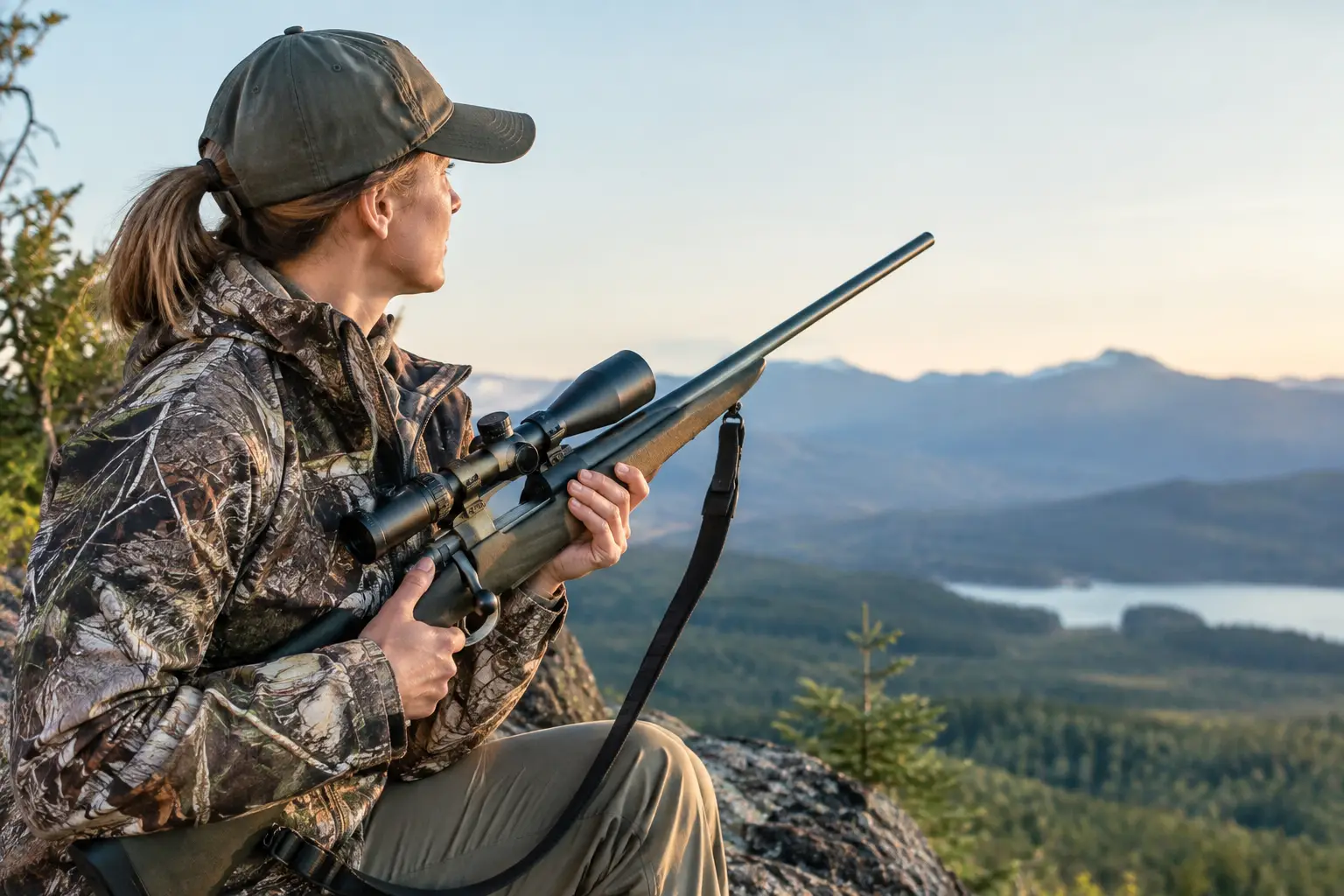
A hunting rifle that looks right on the rack can feel completely wrong after three cold hours in a tree stand. That is why a guide to buying hunting rifles should start with the hunt you actually plan to make, not the biggest caliber on the shelf or the newest model in an ad. The right rifle is the one you can carry comfortably, shoulder naturally, shoot accurately, and trust when the opportunity is brief.
For many hunters, a dependable bolt-action rifle with a practical scope will do more in the field than an expensive setup chosen for features they will never use. Start with purpose, fit, and ammunition availability. Then compare actions, cartridges, optics, and price without getting distracted by extras.
Start With Your Game and Your Ground
Whitetail hunting in Pennsylvania hardwoods calls for a different setup than western elk hunting, coyote hunting across open farm country, or a dedicated bear hunt. Before looking at specific makes and models, think about the animals you pursue, typical shot distances, terrain, and how far you will carry the rifle.
For deer hunting at common eastern distances, cartridges such as .243 Winchester, 6.5 Creedmoor, .270 Winchester, 7mm-08 Remington, .308 Winchester, and .30-06 Springfield remain popular for a reason. They offer proven field performance, broad ammunition availability, and manageable recoil in most standard hunting rifles. There is no single best answer. A hunter who is comfortable with a .308 and can find quality loads locally may be better served than one chasing a newer cartridge with limited shelf availability.
If your hunting involves larger game, longer shots, or wide-open country, cartridge selection deserves more research. More power can be useful, but it also usually means more recoil, muzzle blast, ammunition cost, and rifle weight. A cartridge that makes you flinch is not an upgrade.
Do not buy based on maximum possible range. Buy around the distances you can practice regularly and the conditions where you hunt. Woods hunters often benefit more from a fast-handling rifle and clear low-light optic than extreme long-range capability.
Choose an Action You Will Use Well
Bolt-action rifles are the default choice for many hunters because they are simple, durable, accurate, and available in nearly every useful hunting caliber. They are easy to maintain, typically lighter than many semi-automatic options, and offer an enormous range of price points. For a first hunting rifle, a quality bolt gun is usually the straightforward place to start.
Lever actions remain a strong choice for thick cover, quick handling, and hunters who appreciate traditional designs. Models chambered in cartridges such as .30-30 Winchester are proven deer rifles at sensible ranges. They may not offer the same long-range flexibility as a scoped bolt gun, but range is not the only thing that matters.
Semi-automatic hunting rifles can provide faster follow-up shots and familiar controls for some shooters. They can also weigh more, cost more, and require closer attention to ammunition selection and maintenance. Make sure any configuration you consider is lawful where you hunt and suited to the game regulations that apply.
Single-shot and break-action rifles are simple, often affordable, and satisfying to carry. They ask more of the hunter because the first shot matters most. For a new buyer who values compact handling or a minimalist setup, they are worth considering.
Rifle Fit Is Not a Minor Detail
A rifle needs to fit the shooter, especially when hunting positions are awkward, bulky clothing is involved, and there is no bench rest available. Shoulder several rifles before you commit. With the rifle unloaded and pointed in a safe direction, bring it to your shoulder naturally. Your eye should land behind the optic without crawling up the stock or lifting your cheek off the comb.
Pay attention to length of pull, which is the distance from the trigger to the buttpad. A stock that is too long can be difficult to mount in heavy hunting clothes. One that is too short can feel cramped and make recoil less comfortable. Youth and compact models are not only for young hunters. They can fit smaller-framed adults well, and a compact rifle can be a practical option in tight woods.
Weight is another trade-off. A lightweight rifle is easier to carry over ridges and through brush, but it will generally transmit more felt recoil. A heavier rifle may be steadier from a rest and softer shooting, though nobody wants to carry unnecessary pounds all day. Handle the rifle with the type of sling, optic, and clothing you expect to use. Those details change the feel.
Caliber, Ammunition, and Real-World Cost
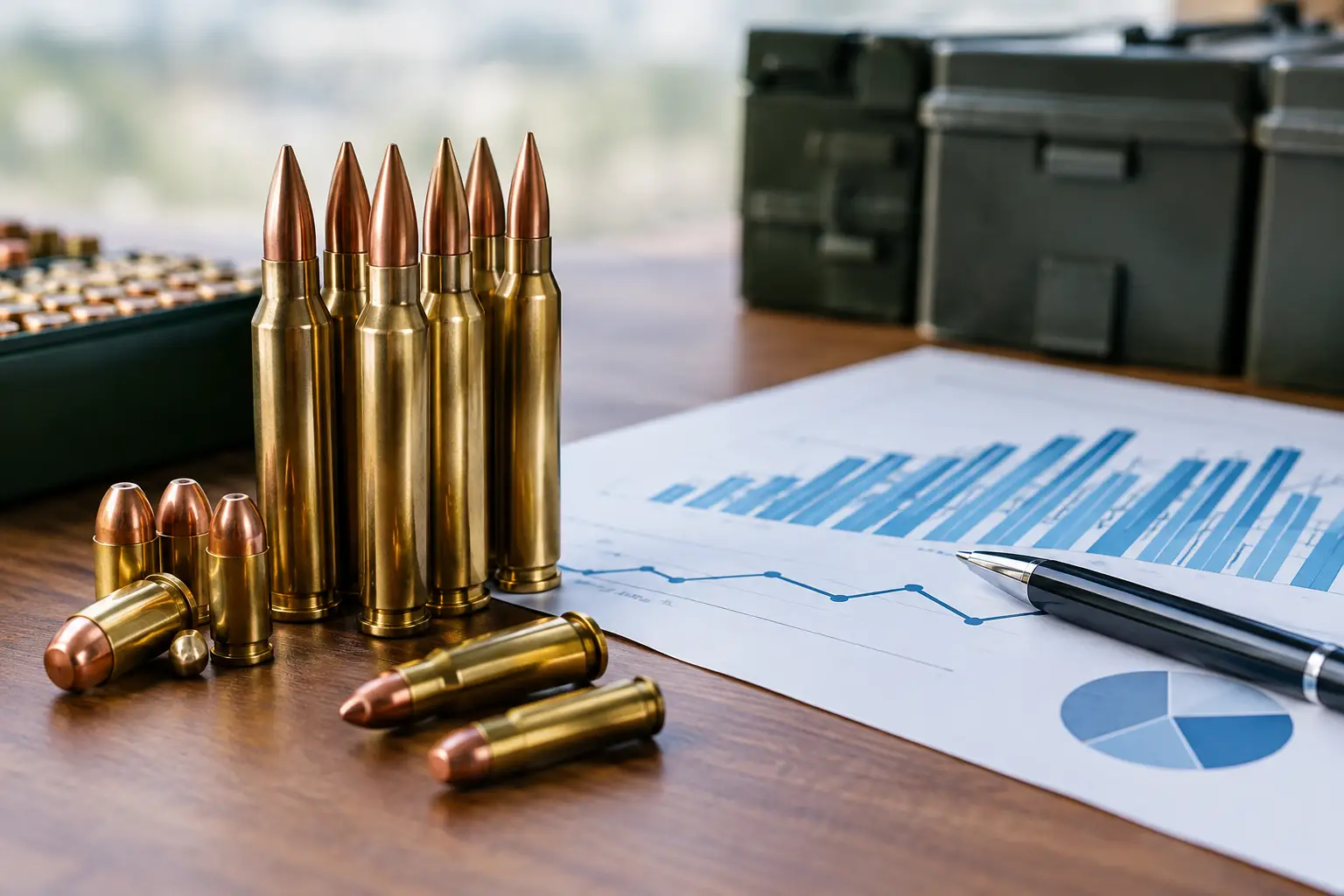
The rifle itself is only one part of the purchase. You will need hunting ammunition, practice ammunition, an optic or sights, mounts, a sling, storage, cleaning supplies, and range time. A lower-priced rifle in a common caliber can leave more room in the budget for the equipment and practice that make it effective.
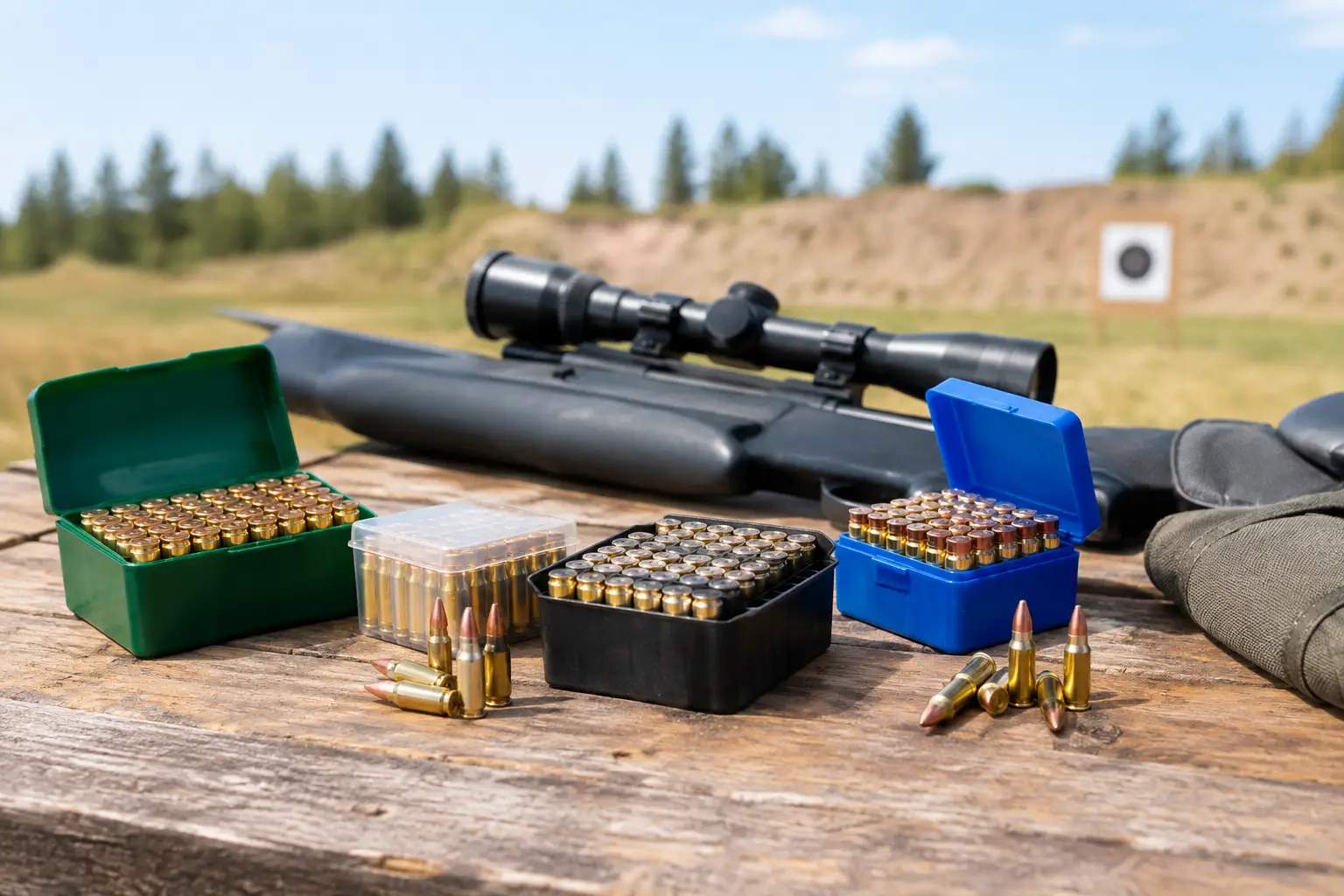
Ammunition availability matters. Look beyond a single box of premium hunting loads. Can you find several bullet weights and brands? Can you buy enough practice ammunition to get comfortable before the season? Common cartridges tend to provide more choices when inventory changes, while niche chamberings can require planning ahead.
For hunting, test the exact load you intend to carry. Different rifles can show clear preferences for certain bullet weights and brands. Sight in carefully, confirm your point of impact from practical positions, and keep notes on the load that performs best. If you switch ammunition, confirm zero again. Similar bullet weights do not guarantee the same impact point.
Recoil should be an honest part of the decision. The best hunting rifle is one you will practice with. If a lighter cartridge lets you shoot better, faster, and more confidently, that is a meaningful advantage. Good bullet construction and proper shot placement matter more than chasing recoil for its own sake.
Optics Can Make or Break the Setup
A reliable scope is not an afterthought. In legal low-light hunting conditions, clear glass and dependable adjustments can matter more than extra magnification. For most deer hunting, a modest magnification range is plenty. Something in the neighborhood of 2-7x or 3-9x works well for many woods and mixed-terrain hunters, while more open country may justify additional top-end magnification.
Choose a scope with a reticle you can see quickly, controls you can operate with gloves, and eye relief that keeps your brow safely away from the scope under recoil. Put money into solid bases and rings. A quality rifle with loose mounts is not a dependable hunting setup.
After mounting the optic, verify that it is level, properly torqued, and positioned for a natural sight picture. Then shoot it. A bore sight gets you on paper, but it does not replace a real zero at the range.
New, Pre-Owned, and the Value Question
New rifles offer current production, manufacturer support, and a clean starting point. Pre-owned rifles can offer excellent value, especially when you find a well-kept rifle from a respected maker with a sound bore, intact stock, and smooth action. Many hunters trade in rifles that saw very little field use.
With a used rifle, inspect it closely. Check the bore for corrosion or damage, look for cracks around the stock and action, confirm that the safety and trigger operate correctly, and examine the scope mounts if they are included. A knowledgeable dealer can help you assess condition and avoid paying new-rifle money for a worn setup.
Do not get locked into one brand before handling options. Ruger, Savage, Winchester, Remington, Tikka, Browning, Bergara, Weatherby, and many other makers offer capable hunting rifles across different budgets. The best deal is not always the lowest sticker price. It is the rifle that fits the job, includes the features you need, and leaves room for quality ammunition and range time.
Buy With the Season in Mind
Inventory changes quickly before hunting season, especially for popular cartridges, scoped packages, and lightweight rifles. If you need a rifle for an upcoming hunt, do not wait until the last week to buy it. You need time to mount the optic, break in your routine, test ammunition, and practice from the positions you may use in the field.
Make sure every purchase and transfer follows applicable federal, state, and local laws. Hunting regulations can also set rules for rifle use, magazine capacity, ammunition type, season dates, and legal shooting hours. Verify the rules for the exact state and game you plan to hunt.
A good hunting rifle does not need to be flashy. It needs to fit you, feed reliably, hold zero, and give you confidence when the shot is there. Handle a few options, ask direct questions, and spend the remaining budget where it counts: ammunition, a solid optic, and time behind the trigger.